
LOCAL/
4:55:17 PM
ASK THE DESIGNER
ADITHYAN S KIRAN
ADITHYAN S KIRAN
Scroll to Explore
Scroll to Explore
WORK WITH ME
WORK WITH ME
नमस्ते, I’m Adithyan 👋
नमस्ते, I’m Adithyan 👋
नमस्ते, I’m Adithyan 👋
नमस्ते, I’m Adithyan 👋
Design, to me, lives between emotion and precision — where products feel alive, experiences connect deeply, and impact lasts beyond trends.
Design, to me, lives between emotion and precision — where products feel alive, experiences connect deeply, and impact lasts beyond trends.
Design, to me, lives between emotion and precision — where products feel alive, experiences connect deeply, and impact lasts beyond trends.
I design products that think, feel, and function with purpose.
I design products that think, feel, and function with purpose.
I design products that think,
feel, and function with purpose.
PROJECTS
PROJECTS
PROJECTS
PROJECTS
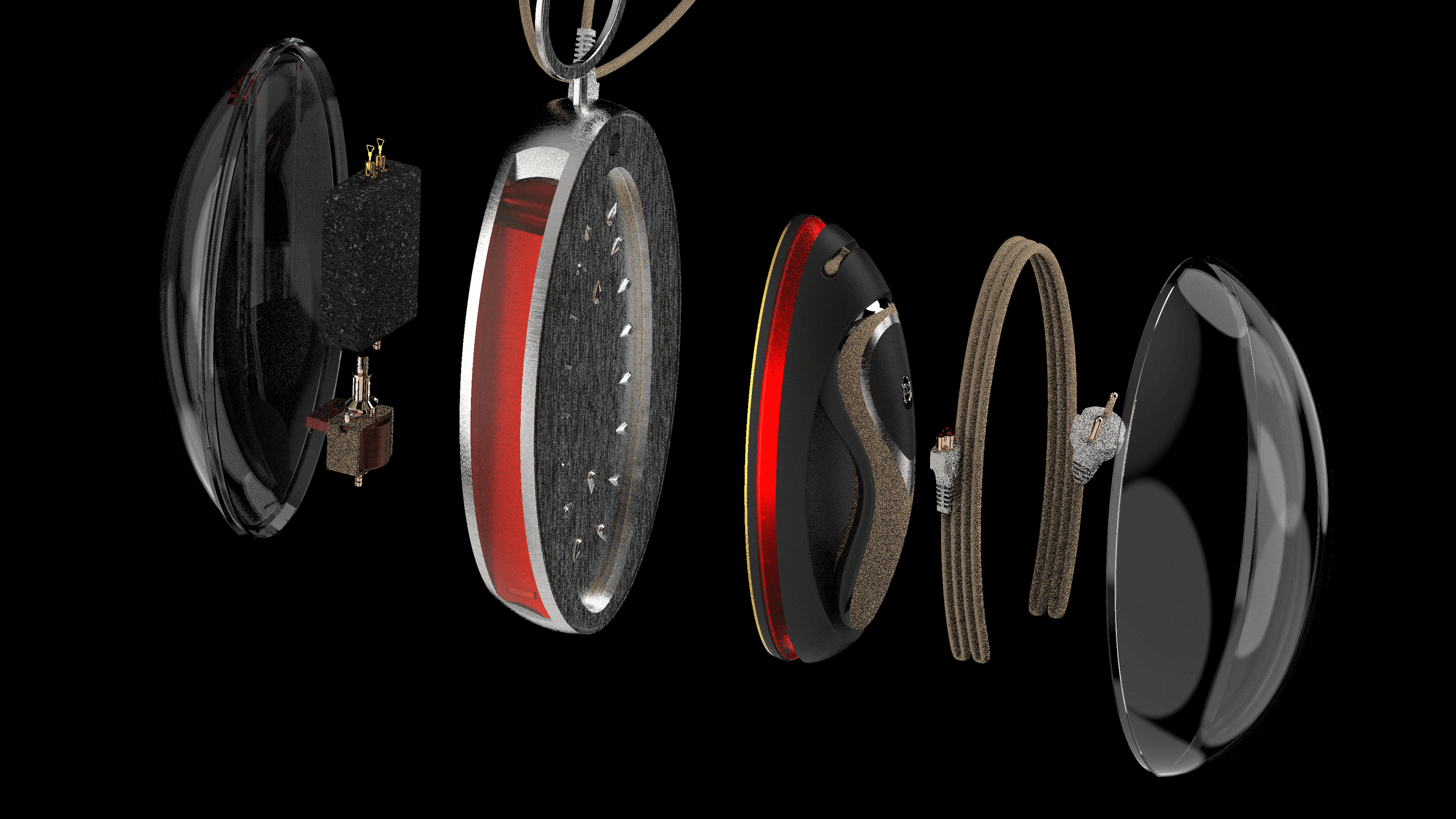
Steambee
CMF |
INTERACTION |
PROTOTYPING
view
Steambee
CMF |
INTERACTION |
PROTOTYPING
view
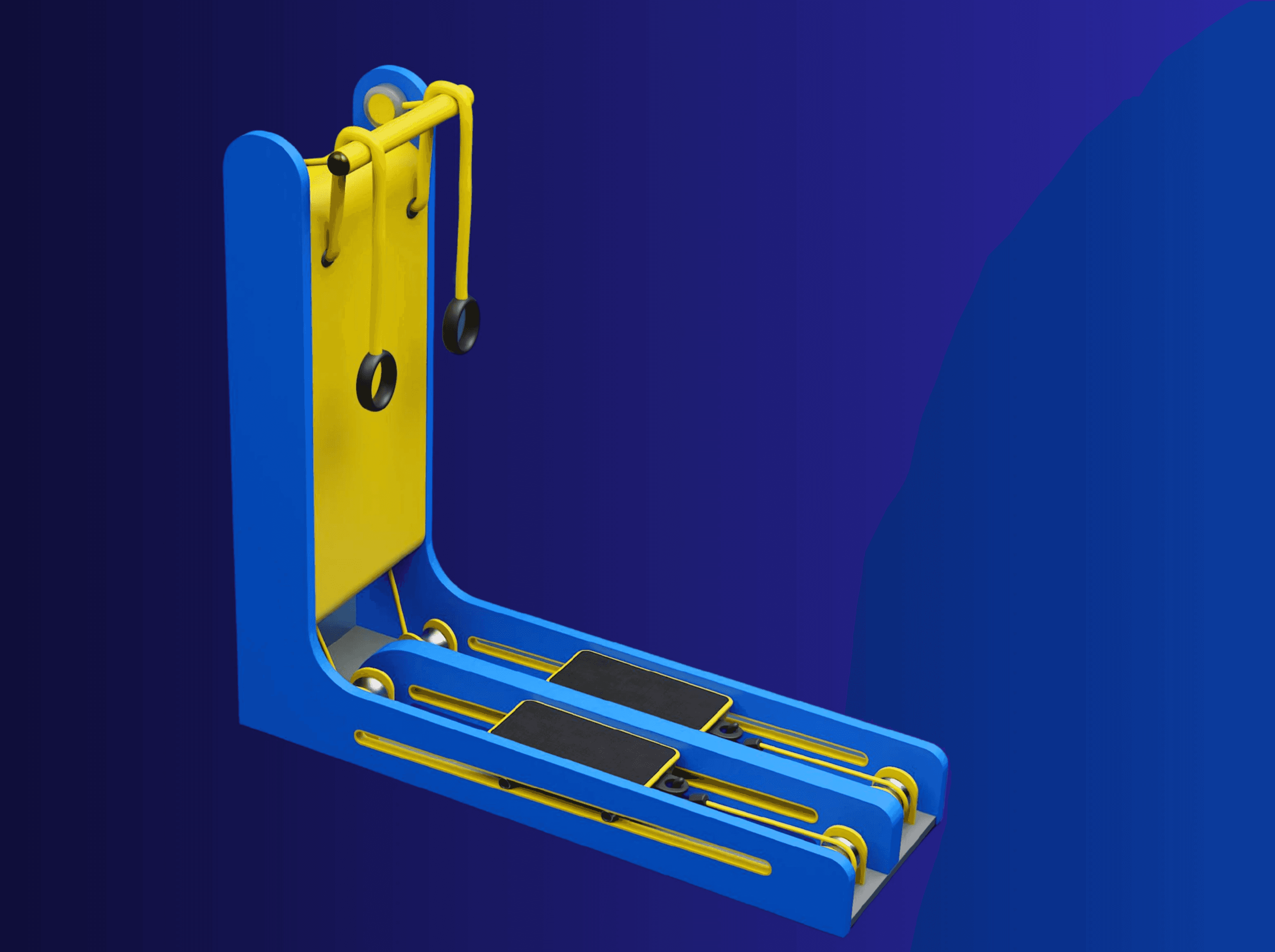
TaalMel
DSN |
UX |
PROTOTYPING
view
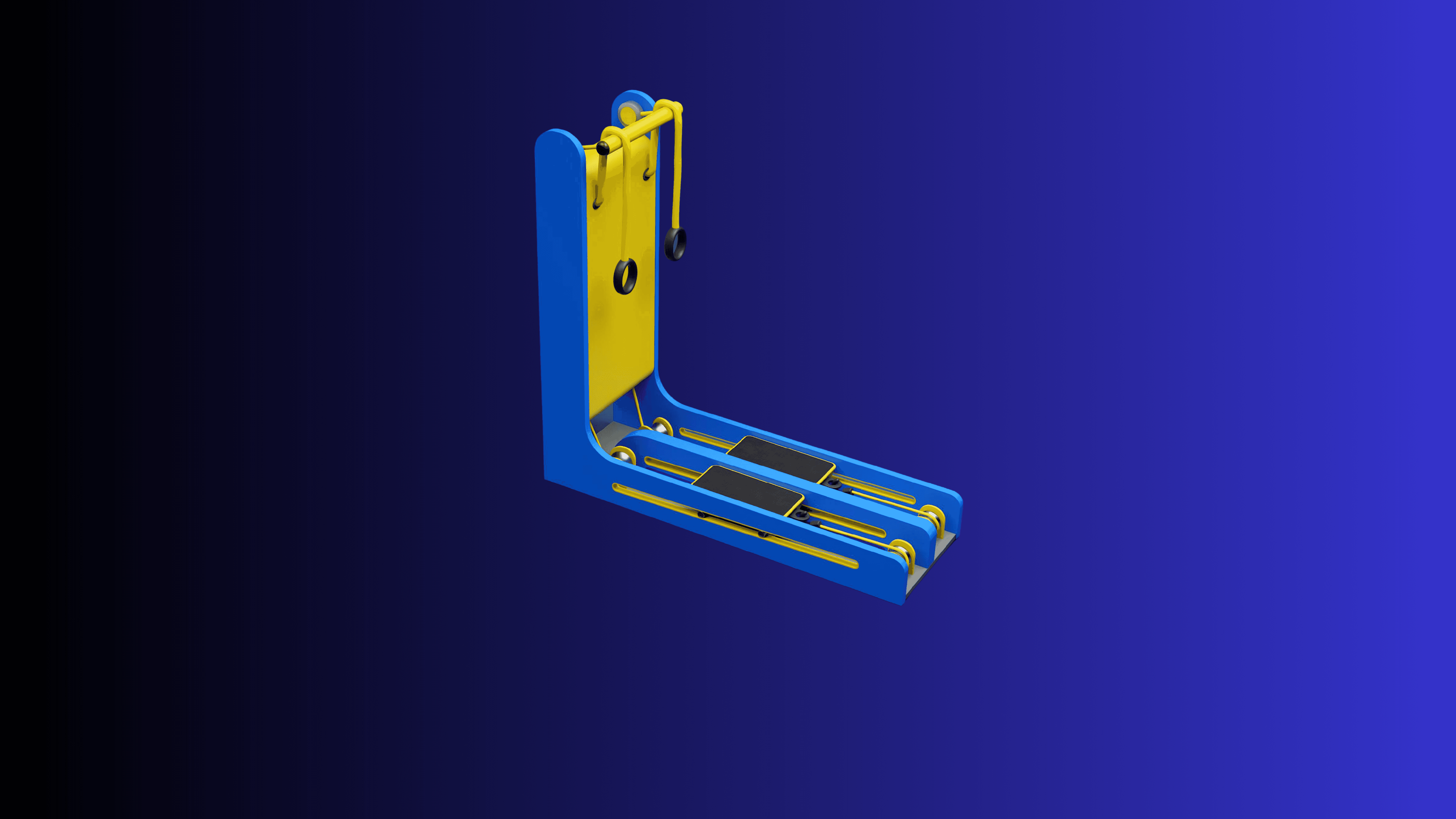
TaalMel
DSN |
UX |
PROTOTYPING
view




PHILOSOPHY
PHILOSOPHY
PHILOSOPHY
PHILOSOPHY
01
aspire
aspire
aspire
aspire

Every project begins with intention. Aspire is about identifying what truly matters — the purpose behind the idea. I start wide, thinking in moonshots — exploring possibilities that feel slightly out of reach, the “what ifs” that spark ambition. Then I narrow it down with focus, translating vision into direction. It’s where clarity begins, and every decision finds its reason — a balance between dreaming big and designing what’s real.
Every project begins with intention. Aspire is about identifying what truly matters — the purpose behind the idea. I start wide, thinking in moonshots — exploring possibilities that feel slightly out of reach, the “what ifs” that spark ambition. Then I narrow it down with focus, translating vision into direction. It’s where clarity begins, and every decision finds its reason — a balance between dreaming big and designing what’s real.
Every project begins with intention. Aspire is about identifying what truly matters — the purpose behind the idea. I start wide, thinking in moonshots — exploring possibilities that feel slightly out of reach, the “what ifs” that spark ambition. Then I narrow it down with focus, translating vision into direction. It’s where clarity begins, and every decision finds its reason — a balance between dreaming big and designing what’s real.
Every project begins with intention. Aspire is about identifying what truly matters — the purpose behind the idea. I start wide, thinking in moonshots — exploring possibilities that feel slightly out of reach, the “what ifs” that spark ambition. Then I narrow it down with focus, translating vision into direction. It’s where clarity begins, and every decision finds its reason — a balance between dreaming big and designing what’s real.
02
strategise
strategise
strategise
strategise

Once the vision feels grounded, I move into structure — where ideas gain order and meaning. This is the stage where I translate ambition into systems, define priorities, and connect strategy to execution. Structure isn’t about restriction; it’s about creating frameworks that guide creativity, making complex ideas scalable, consistent, and actionable.
Once the vision feels grounded, I move into structure — where ideas gain order and meaning. This is the stage where I translate ambition into systems, define priorities, and connect strategy to execution. Structure isn’t about restriction; it’s about creating frameworks that guide creativity, making complex ideas scalable, consistent, and actionable.
Once the vision feels grounded, I move into structure — where ideas gain order and meaning. This is the stage where I translate ambition into systems, define priorities, and connect strategy to execution. Structure isn’t about restriction; it’s about creating frameworks that guide creativity, making complex ideas scalable, consistent, and actionable.
Once the vision feels grounded, I move into structure — where ideas gain order and meaning. This is the stage where I translate ambition into systems, define priorities, and connect strategy to execution. Structure isn’t about restriction; it’s about creating frameworks that guide creativity, making complex ideas scalable, consistent, and actionable.
03
03
kreate
kreate
kreate
kreate

Kreate is where ideas move from strategy to substance. It’s the phase of building, testing, and refining — translating intent into something people can see, touch, and feel. I prototype fast, observe how design behaves in real contexts, and evolve it through iteration. Each step brings the concept closer to clarity, turning direction into experience and structure into form.
Kreate is where ideas move from strategy to substance. It’s the phase of building, testing, and refining — translating intent into something people can see, touch, and feel. I prototype fast, observe how design behaves in real contexts, and evolve it through iteration. Each step brings the concept closer to clarity, turning direction into experience and structure into form.
Kreate is where ideas move from strategy to substance. It’s the phase of building, testing, and refining — translating intent into something people can see, touch, and feel. I prototype fast, observe how design behaves in real contexts, and evolve it through iteration. Each step brings the concept closer to clarity, turning direction into experience and structure into form.
Kreate is where ideas move from strategy to substance. It’s the phase of building, testing, and refining — translating intent into something people can see, touch, and feel. I prototype fast, observe how design behaves in real contexts, and evolve it through iteration. Each step brings the concept closer to clarity, turning direction into experience and structure into form.
FRAMEWORK
FRAMEWORK
FRAMEWORK
FRAMEWORK
(How I understand, frame, and align the work)
(How I understand, frame, and align the work)
(How I understand, frame, and align the work)
(How I understand, frame, and align the work)
"Aspire to create impactful, measurable feedback that's flexible, outcome-focused, and leads to realistic results."
"Aspire to create impactful, measurable feedback that's flexible, outcome-focused, and leads to realistic results."
"Aspire to create impactful, measurable feedback that's flexible, outcome-focused, and leads to realistic results."

ASPIRE
Aspire establishes the highest and most meaningful version of what this work could become before any constraint is considered. It defines the intended direction in its fullest form: purpose, experience, and significance. Aspire prevents premature reduction, reactive thinking, or settling for incremental improvement. It ensures that the project begins with clarity of destination rather than feasibility-driven compromise. This card sets the standard that the rest of the framework protects, evaluates, refines, and eventually realizes.
A

IMPACT
Impact defines why the aspiration matters and what change should occur as a result of achieving it. It clarifies the influence on people, systems, behaviors, or conditions. This card prevents ambition from becoming abstract, self-contained, or driven only by internal logic. It ensures the work is grounded in meaningful effect, not just impressive execution. Impact provides direction for relevance, significance, and responsibility, ensuring that the aspiration translates into real-world value, not just conceptual clarity.
I

MEASURE
Measure defines how progress, effectiveness, and alignment will be understood as the work evolves. It identifies the indicators, evidence sources, and signals that reflect whether the effort is moving toward its intended impact. Measure also assesses risk, feasibility, and opportunity in their current state. This stage prevents assumption-based direction, emotional certainty, or momentum without substance. It ensures decisions are grounded in clear, observable reality, providing the factual basis for informed adjustment.
M

FLEXIBLE
Flexible determines how to act based on what Measure reveals. It interprets risks, opportunities, and constraints to decide where to adjust pace, expand, refine, or hold direction. Flexible does not change the aspiration; it updates the route toward it. This stage prevents rigidity and reactive course shifts by making adaptation intentional, proportionate, and strategic. It builds confidence by ensuring the ambition is pursued with awareness, preparation, and deliberate choice rather than assumption or momentum.
F

OUTCOME
Outcome-Focused evaluates the range of possible results that could emerge from the work and determines which outcomes are worth pursuing relative to the aspiration. It clarifies the scale, value, feasibility, cost, and strategic benefit of each potential outcome. This stage ensures the chosen result is appropriate in ambition, aligned with purpose, and justified by the resources required. Outcome-Focused prevents pursuing outcomes that are achievable but insufficient, ensuring the work leads to a result that meaningfully supports the original aspiration.
O

REALISTIC
Realistic is where the aspiration becomes clear and confirmed. It defines what can be achieved with the available resources, capabilities, timeframe, and context — without reducing the ambition itself. This stage translates intent into a path that can be executed reliably, ensuring direction is stable, purposeful, and ready for action. It ensures the final aspiration is true, aligned, and actionable, completing the circle and preparing the next cycle with clarity and confidence.
R
ASPIRE
Aspire establishes the highest and most meaningful version of what this work could become before any constraint is considered. It defines the intended direction in its fullest form: purpose, experience, and significance. Aspire prevents premature reduction, reactive thinking, or settling for incremental improvement. It ensures that the project begins with clarity of destination rather than feasibility-driven compromise. This card sets the standard that the rest of the framework protects, evaluates, refines, and eventually realizes.
A
IMPACT
Impact defines why the aspiration matters and what change should occur as a result of achieving it. It clarifies the influence on people, systems, behaviors, or conditions. This card prevents ambition from becoming abstract, self-contained, or driven only by internal logic. It ensures the work is grounded in meaningful effect, not just impressive execution. Impact provides direction for relevance, significance, and responsibility, ensuring that the aspiration translates into real-world value, not just conceptual clarity.
I
MEASURE
Measure defines how progress, effectiveness, and alignment will be understood as the work evolves. It identifies the indicators, evidence sources, and signals that reflect whether the effort is moving toward its intended impact. Measure also assesses risk, feasibility, and opportunity in their current state. This stage prevents assumption-based direction, emotional certainty, or momentum without substance. It ensures decisions are grounded in clear, observable reality, providing the factual basis for informed adjustment.
M
FLEXIBLE
Flexible determines how to act based on what Measure reveals. It interprets risks, opportunities, and constraints to decide where to adjust pace, expand, refine, or hold direction. Flexible does not change the aspiration; it updates the route toward it. This stage prevents rigidity and reactive course shifts by making adaptation intentional, proportionate, and strategic. It builds confidence by ensuring the ambition is pursued with awareness, preparation, and deliberate choice rather than assumption or momentum.
F
OUTCOME
Outcome-Focused evaluates the range of possible results that could emerge from the work and determines which outcomes are worth pursuing relative to the aspiration. It clarifies the scale, value, feasibility, cost, and strategic benefit of each potential outcome. This stage ensures the chosen result is appropriate in ambition, aligned with purpose, and justified by the resources required. Outcome-Focused prevents pursuing outcomes that are achievable but insufficient, ensuring the work leads to a result that meaningfully supports the original aspiration.
O
REALISTIC
Realistic is where the aspiration becomes clear and confirmed. It defines what can be achieved with the available resources, capabilities, timeframe, and context — without reducing the ambition itself. This stage translates intent into a path that can be executed reliably, ensuring direction is stable, purposeful, and ready for action. It ensures the final aspiration is true, aligned, and actionable, completing the circle and preparing the next cycle with clarity and confidence.
R
ASPIRE
Aspire establishes the highest and most meaningful version of what this work could become before any constraint is considered. It defines the intended direction in its fullest form: purpose, experience, and significance. Aspire prevents premature reduction, reactive thinking, or settling for incremental improvement. It ensures that the project begins with clarity of destination rather than feasibility-driven compromise. This card sets the standard that the rest of the framework protects, evaluates, refines, and eventually realizes.
A
IMPACT
Impact defines why the aspiration matters and what change should occur as a result of achieving it. It clarifies the influence on people, systems, behaviors, or conditions. This card prevents ambition from becoming abstract, self-contained, or driven only by internal logic. It ensures the work is grounded in meaningful effect, not just impressive execution. Impact provides direction for relevance, significance, and responsibility, ensuring that the aspiration translates into real-world value, not just conceptual clarity.
I
MEASURE
Measure defines how progress, effectiveness, and alignment will be understood as the work evolves. It identifies the indicators, evidence sources, and signals that reflect whether the effort is moving toward its intended impact. Measure also assesses risk, feasibility, and opportunity in their current state. This stage prevents assumption-based direction, emotional certainty, or momentum without substance. It ensures decisions are grounded in clear, observable reality, providing the factual basis for informed adjustment.
M
FLEXIBLE
Flexible determines how to act based on what Measure reveals. It interprets risks, opportunities, and constraints to decide where to adjust pace, expand, refine, or hold direction. Flexible does not change the aspiration; it updates the route toward it. This stage prevents rigidity and reactive course shifts by making adaptation intentional, proportionate, and strategic. It builds confidence by ensuring the ambition is pursued with awareness, preparation, and deliberate choice rather than assumption or momentum.
F
OUTCOME
Outcome-Focused evaluates the range of possible results that could emerge from the work and determines which outcomes are worth pursuing relative to the aspiration. It clarifies the scale, value, feasibility, cost, and strategic benefit of each potential outcome. This stage ensures the chosen result is appropriate in ambition, aligned with purpose, and justified by the resources required. Outcome-Focused prevents pursuing outcomes that are achievable but insufficient, ensuring the work leads to a result that meaningfully supports the original aspiration.
O
REALISTIC
Realistic is where the aspiration becomes clear and confirmed. It defines what can be achieved with the available resources, capabilities, timeframe, and context — without reducing the ambition itself. This stage translates intent into a path that can be executed reliably, ensuring direction is stable, purposeful, and ready for action. It ensures the final aspiration is true, aligned, and actionable, completing the circle and preparing the next cycle with clarity and confidence.
R
ASPIRE
Aspire establishes the highest and most meaningful version of what this work could become before any constraint is considered. It defines the intended direction in its fullest form: purpose, experience, and significance. Aspire prevents premature reduction, reactive thinking, or settling for incremental improvement. It ensures that the project begins with clarity of destination rather than feasibility-driven compromise. This card sets the standard that the rest of the framework protects, evaluates, refines, and eventually realizes.
A
IMPACT
Impact defines why the aspiration matters and what change should occur as a result of achieving it. It clarifies the influence on people, systems, behaviors, or conditions. This card prevents ambition from becoming abstract, self-contained, or driven only by internal logic. It ensures the work is grounded in meaningful effect, not just impressive execution. Impact provides direction for relevance, significance, and responsibility, ensuring that the aspiration translates into real-world value, not just conceptual clarity.
I
MEASURE
Measure defines how progress, effectiveness, and alignment will be understood as the work evolves. It identifies the indicators, evidence sources, and signals that reflect whether the effort is moving toward its intended impact. Measure also assesses risk, feasibility, and opportunity in their current state. This stage prevents assumption-based direction, emotional certainty, or momentum without substance. It ensures decisions are grounded in clear, observable reality, providing the factual basis for informed adjustment.
M
FLEXIBLE
Flexible determines how to act based on what Measure reveals. It interprets risks, opportunities, and constraints to decide where to adjust pace, expand, refine, or hold direction. Flexible does not change the aspiration; it updates the route toward it. This stage prevents rigidity and reactive course shifts by making adaptation intentional, proportionate, and strategic. It builds confidence by ensuring the ambition is pursued with awareness, preparation, and deliberate choice rather than assumption or momentum.
F
OUTCOME
Outcome-Focused evaluates the range of possible results that could emerge from the work and determines which outcomes are worth pursuing relative to the aspiration. It clarifies the scale, value, feasibility, cost, and strategic benefit of each potential outcome. This stage ensures the chosen result is appropriate in ambition, aligned with purpose, and justified by the resources required. Outcome-Focused prevents pursuing outcomes that are achievable but insufficient, ensuring the work leads to a result that meaningfully supports the original aspiration.
O
REALISTIC
Realistic is where the aspiration becomes clear and confirmed. It defines what can be achieved with the available resources, capabilities, timeframe, and context — without reducing the ambition itself. This stage translates intent into a path that can be executed reliably, ensuring direction is stable, purposeful, and ready for action. It ensures the final aspiration is true, aligned, and actionable, completing the circle and preparing the next cycle with clarity and confidence.
R

ASPIRE
Aspire establishes the highest and most meaningful version of what this work could become before any constraint is considered. It defines the intended direction in its fullest form: purpose, experience, and significance. Aspire prevents premature reduction, reactive thinking, or settling for incremental improvement. It ensures that the project begins with clarity of destination rather than feasibility-driven compromise. This card sets the standard that the rest of the framework protects, evaluates, refines, and eventually realizes.
A
IMPACT
Impact defines why the aspiration matters and what change should occur as a result of achieving it. It clarifies the influence on people, systems, behaviors, or conditions. This card prevents ambition from becoming abstract, self-contained, or driven only by internal logic. It ensures the work is grounded in meaningful effect, not just impressive execution. Impact provides direction for relevance, significance, and responsibility, ensuring that the aspiration translates into real-world value, not just conceptual clarity.
I
MEASURE
Measure defines how progress, effectiveness, and alignment will be understood as the work evolves. It identifies the indicators, evidence sources, and signals that reflect whether the effort is moving toward its intended impact. Measure also assesses risk, feasibility, and opportunity in their current state. This stage prevents assumption-based direction, emotional certainty, or momentum without substance. It ensures decisions are grounded in clear, observable reality, providing the factual basis for informed adjustment.
M
FLEXIBLE
Flexible determines how to act based on what Measure reveals. It interprets risks, opportunities, and constraints to decide where to adjust pace, expand, refine, or hold direction. Flexible does not change the aspiration; it updates the route toward it. This stage prevents rigidity and reactive course shifts by making adaptation intentional, proportionate, and strategic. It builds confidence by ensuring the ambition is pursued with awareness, preparation, and deliberate choice rather than assumption or momentum.
F
OUTCOME
Outcome-Focused evaluates the range of possible results that could emerge from the work and determines which outcomes are worth pursuing relative to the aspiration. It clarifies the scale, value, feasibility, cost, and strategic benefit of each potential outcome. This stage ensures the chosen result is appropriate in ambition, aligned with purpose, and justified by the resources required. Outcome-Focused prevents pursuing outcomes that are achievable but insufficient, ensuring the work leads to a result that meaningfully supports the original aspiration.
O
REALISTIC
Realistic is where the aspiration becomes clear, defined, and ready for execution. It determines what can be achieved within available resources, capabilities, timeframe, and context—without reducing ambition. This stage converts intent into a structured, actionable path that is stable, focused, and feasible. Realistic ensures direction remains purposeful and achievable, aligning ambition with implementation. It completes the circle and prepares the next cycle with clarity, confidence, and a confirmed sense of progress.
R
ASPIRE
Aspire establishes the highest and most meaningful version of what this work could become before any constraint is considered. It defines the intended direction in its fullest form: purpose, experience, and significance. Aspire prevents premature reduction, reactive thinking, or settling for incremental improvement. It ensures that the project begins with clarity of destination rather than feasibility-driven compromise. This card sets the standard that the rest of the framework protects, evaluates, refines, and eventually realizes.
A
IMPACT
Impact defines why the aspiration matters and what change should occur as a result of achieving it. It clarifies the influence on people, systems, behaviors, or conditions. This card prevents ambition from becoming abstract, self-contained, or driven only by internal logic. It ensures the work is grounded in meaningful effect, not just impressive execution. Impact provides direction for relevance, significance, and responsibility, ensuring that the aspiration translates into real-world value, not just conceptual clarity.
I
MEASURE
Measure defines how progress, effectiveness, and alignment will be understood as the work evolves. It identifies the indicators, evidence sources, and signals that reflect whether the effort is moving toward its intended impact. Measure also assesses risk, feasibility, and opportunity in their current state. This stage prevents assumption-based direction, emotional certainty, or momentum without substance. It ensures decisions are grounded in clear, observable reality, providing the factual basis for informed adjustment.
M
FLEXIBLE
Flexible determines how to act based on what Measure reveals. It interprets risks, opportunities, and constraints to decide where to adjust pace, expand, refine, or hold direction. Flexible does not change the aspiration; it updates the route toward it. This stage prevents rigidity and reactive course shifts by making adaptation intentional, proportionate, and strategic. It builds confidence by ensuring the ambition is pursued with awareness, preparation, and deliberate choice rather than assumption or momentum.
F
OUTCOME
Outcome-Focused evaluates the range of possible results that could emerge from the work and determines which outcomes are worth pursuing relative to the aspiration. It clarifies the scale, value, feasibility, cost, and strategic benefit of each potential outcome. This stage ensures the chosen result is appropriate in ambition, aligned with purpose, and justified by the resources required. Outcome-Focused prevents pursuing outcomes that are achievable but insufficient, ensuring the work leads to a result that meaningfully supports the original aspiration.
O
REALISTIC
Realistic is where the aspiration becomes clear, defined, and ready for execution. It determines what can be achieved within available resources, capabilities, timeframe, and context—without reducing ambition. This stage converts intent into a structured, actionable path that is stable, focused, and feasible. Realistic ensures direction remains purposeful and achievable, aligning ambition with implementation. It completes the circle and prepares the next cycle with clarity, confidence, and a confirmed sense of progress.
R
ASPIRE
Aspire establishes the highest and most meaningful version of what this work could become before any constraint is considered. It defines the intended direction in its fullest form: purpose, experience, and significance. Aspire prevents premature reduction, reactive thinking, or settling for incremental improvement. It ensures that the project begins with clarity of destination rather than feasibility-driven compromise. This card sets the standard that the rest of the framework protects, evaluates, refines, and eventually realizes.
A
IMPACT
Impact defines why the aspiration matters and what change should occur as a result of achieving it. It clarifies the influence on people, systems, behaviors, or conditions. This card prevents ambition from becoming abstract, self-contained, or driven only by internal logic. It ensures the work is grounded in meaningful effect, not just impressive execution. Impact provides direction for relevance, significance, and responsibility, ensuring that the aspiration translates into real-world value, not just conceptual clarity.
I
MEASURE
Measure defines how progress, effectiveness, and alignment will be understood as the work evolves. It identifies the indicators, evidence sources, and signals that reflect whether the effort is moving toward its intended impact. Measure also assesses risk, feasibility, and opportunity in their current state. This stage prevents assumption-based direction, emotional certainty, or momentum without substance. It ensures decisions are grounded in clear, observable reality, providing the factual basis for informed adjustment.
M
FLEXIBLE
Flexible determines how to act based on what Measure reveals. It interprets risks, opportunities, and constraints to decide where to adjust pace, expand, refine, or hold direction. Flexible does not change the aspiration; it updates the route toward it. This stage prevents rigidity and reactive course shifts by making adaptation intentional, proportionate, and strategic. It builds confidence by ensuring the ambition is pursued with awareness, preparation, and deliberate choice rather than assumption or momentum.
F
OUTCOME
Outcome-Focused evaluates the range of possible results that could emerge from the work and determines which outcomes are worth pursuing relative to the aspiration. It clarifies the scale, value, feasibility, cost, and strategic benefit of each potential outcome. This stage ensures the chosen result is appropriate in ambition, aligned with purpose, and justified by the resources required. Outcome-Focused prevents pursuing outcomes that are achievable but insufficient, ensuring the work leads to a result that meaningfully supports the original aspiration.
O
REALISTIC
Realistic is where the aspiration becomes clear, defined, and ready for execution. It determines what can be achieved within available resources, capabilities, timeframe, and context—without reducing ambition. This stage converts intent into a structured, actionable path that is stable, focused, and feasible. Realistic ensures direction remains purposeful and achievable, aligning ambition with implementation. It completes the circle and prepares the next cycle with clarity, confidence, and a confirmed sense of progress.
R
ASPIRE
Aspire establishes the highest and most meaningful version of what this work could become before any constraint is considered. It defines the intended direction in its fullest form: purpose, experience, and significance. Aspire prevents premature reduction, reactive thinking, or settling for incremental improvement. It ensures that the project begins with clarity of destination rather than feasibility-driven compromise. This card sets the standard that the rest of the framework protects, evaluates, refines, and eventually realizes.
A
IMPACT
Impact defines why the aspiration matters and what change should occur as a result of achieving it. It clarifies the influence on people, systems, behaviors, or conditions. This card prevents ambition from becoming abstract, self-contained, or driven only by internal logic. It ensures the work is grounded in meaningful effect, not just impressive execution. Impact provides direction for relevance, significance, and responsibility, ensuring that the aspiration translates into real-world value, not just conceptual clarity.
I
MEASURE
Measure defines how progress, effectiveness, and alignment will be understood as the work evolves. It identifies the indicators, evidence sources, and signals that reflect whether the effort is moving toward its intended impact. Measure also assesses risk, feasibility, and opportunity in their current state. This stage prevents assumption-based direction, emotional certainty, or momentum without substance. It ensures decisions are grounded in clear, observable reality, providing the factual basis for informed adjustment.
M
FLEXIBLE
Flexible determines how to act based on what Measure reveals. It interprets risks, opportunities, and constraints to decide where to adjust pace, expand, refine, or hold direction. Flexible does not change the aspiration; it updates the route toward it. This stage prevents rigidity and reactive course shifts by making adaptation intentional, proportionate, and strategic. It builds confidence by ensuring the ambition is pursued with awareness, preparation, and deliberate choice rather than assumption or momentum.
F
OUTCOME
Outcome-Focused evaluates the range of possible results that could emerge from the work and determines which outcomes are worth pursuing relative to the aspiration. It clarifies the scale, value, feasibility, cost, and strategic benefit of each potential outcome. This stage ensures the chosen result is appropriate in ambition, aligned with purpose, and justified by the resources required. Outcome-Focused prevents pursuing outcomes that are achievable but insufficient, ensuring the work leads to a result that meaningfully supports the original aspiration.
O
REALISTIC
Realistic is where the aspiration becomes clear, defined, and ready for execution. It determines what can be achieved within available resources, capabilities, timeframe, and context—without reducing ambition. This stage converts intent into a structured, actionable path that is stable, focused, and feasible. Realistic ensures direction remains purposeful and achievable, aligning ambition with implementation. It completes the circle and prepares the next cycle with clarity, confidence, and a confirmed sense of progress.
R
DESIGN STRATEGY
DESIGN STRATEGY
DESIGN STRATEGY
(How I understand, frame, and align the work)
(How I understand, frame, and align the work)
(How I understand, frame, and align the work)
Inclusion, Accessibility & Responsibility
Design should reduce friction, not create it. I aim to create experiences that are comfortable, respectful, and usable across different backgrounds, abilities, and contexts.
4
Evidence-Based Direction
I balance research, prototyping, and data with professional judgment. Not every decision can be measured — but every decision should be understood.
3
Product Architecture & Systems Thinking
I define how the product behaves as a whole — how components, features, materials, and interactions relate. This helps create solutions that scale consistently across digital, physical, and service touchpoints.
2
Human Insight & Context Understanding
I begin with the people and environments the product will live in. I study needs, behaviors, constraints, and emotional patterns — to ensure the solution fits real life, not just a use case.
1
DESIGN
EXECUTION
Design
Execution
DESIGN
EXECUTION
(How I build, test, and bring ideas to life)
(How I build, test, and bring ideas to life)
Interaction, Interface & Form Design
Whether it’s a physical product or a digital interface, I focus on how people understand and use what’s in front of them. I shape form, layout, and interaction patterns to feel intuitive, reducing cognitive effort and encouraging natural, confident use.
1
Interaction, Interface & Form Design
Whether it’s a physical product or a digital interface, I focus on how people understand and use what’s in front of them. I shape form, layout, and interaction patterns to feel intuitive, reducing cognitive effort and encouraging natural, confident use.
1
Prototyping & Iterative Refinement
I move ideas into tangible form as early as possible — through sketches, digital prototypes, and physical mockups. Testing in-context reveals nuance that theory can’t. I adjust, refine, and evolve the design based on real behavior, not assumptions or preference.
2
Prototyping & Iterative Refinement
I move ideas into tangible form as early as possible — through sketches, digital prototypes, and physical mockups. Testing in-context reveals nuance that theory can’t. I adjust, refine, and evolve the design based on real behavior, not assumptions or preference.
2
CMF, Material Behavior & Sensory Detail
Material selection and finishing directly influence perception, comfort, and identity. I consider tactile feel, surface response, color tone, and interaction feedback to ensure the product expresses the right character — and supports how it should be handled, perceived, and lived with.
3
CMF, Material Behavior & Sensory Detail
Material selection and finishing directly influence perception, comfort, and identity. I consider tactile feel, surface response, color tone, and interaction feedback to ensure the product expresses the right character — and supports how it should be handled, perceived, and lived with.
3
DFM/DFA & Implementation Collaboration
I work closely with engineering, suppliers, and manufacturing partners to refine geometry, tolerances, assembly flow, and cost. The goal is to ensure the design maintains integrity throughout production — achieving quality, reliability, and feasibility without compromising the core experience.
4
DFM/DFA & Implementation Collaboration
I work closely with engineering, suppliers, and manufacturing partners to refine geometry, tolerances, assembly flow, and cost. The goal is to ensure the design maintains integrity throughout production — achieving quality, reliability, and feasibility without compromising the core experience.
4
Design Execution
How I build, test, and bring ideas to life
Event Photography
Tell powerful stories through our event photography, capturing real-life events and moments.
1
Aerial Photography
Get a bird’s-eye view with stunning aerial photography captured via drones, perfect for real estate, events, and landscapes.
1
Corporate Photography
Enhance your brand image with professional corporate photography for headshots, team photos, and company events.
1
Editorial Photography
Bring your stories to life with compelling editorial photography for magazines, blogs, and publications.
1
Inclusion, Accessibility & Responsibility
Design should reduce friction, not create it. I aim to create experiences that are comfortable, respectful, and usable across different backgrounds, abilities, and contexts.
4
Evidence-Based Direction
I balance research, prototyping, and data with professional judgment. Not every decision can be measured — but every decision should be understood.
3
Product Architecture & Systems Thinking
I define how the product behaves as a whole — how components, features, materials, and interactions relate. This helps create solutions that scale consistently across digital, physical, and service touchpoints.
2
Human Insight & Context Understanding
I begin with the people and environments the product will live in. I study needs, behaviors, constraints, and emotional patterns — to ensure the solution fits real life, not just a use case.
1
DESIGN STRATEGY
(How I think, plan, and align design to purpose)
MY DESIGN
TOOLBOX
MY DESIGN
TOOLBOX
MY DESIGN
TOOLBOX
Rhino 3D
Precision 3D modeling.
100
%
Rhino 3D
Precision 3D modeling.
100
%
Keyshot
Real-time rendering.
100
%
Framer
Interactive web design.
100
%
Figma
Collaborative UI/UX design.
80
%
Adobe Photoshop
Image editing & compositing.
70
%
Adobe Illustrator
Vector graphics & logos.
60
%
ASK THE DESIGNER
ASK THE DESIGNER
FAQS
FAQS
FAQS
For Clear Collaboration
For Clear Collaboration
Real process. Honest ഉത്തരങ്ങൾ.
Because for me clarity makes better design.
Real process.
Honest ഉത്തരങ്ങൾ.
Because for me clarity makes better design.
Real process.
Honest ഉത്തരങ്ങൾ.
Because for me clarity makes better design.
1. What kind of projects do you usually take on?
I work across both digital and physical design — from UX, websites, and interactive prototypes to industrial products, form studies, and CMF exploration. Basically, anything that connects how things look, feel, and function in the real world.
2. How do I start a project with you?
Just send a short message through my contact form or email me what you’re planning. We can jump on a quick call through cal.com or simply continue over email — whatever’s easier for you. Once we connect and it feels like a good fit, we start shaping it from there. Simple.
3. Do you only work with brands or also individuals?
Both. I collaborate with startups, studios, and teams, but I also take on personal or concept-based projects if they’re interesting or experimental. If there’s an idea worth exploring — I’m in.
4. What’s your design process like?
It always starts with a question — why does this need to exist? Once that’s clear, I start shaping, sketching, and building prototypes until the idea starts feeling real. I follow a system I built called Aimfor, which keeps the process grounded — it’s about creating impact, measuring what matters, and staying flexible as ideas evolve. Think of it as design guided by curiosity, not routine.
5. How long do projects usually take?
Timelines vary depending on the scope. A focused UX or interface project usually takes 3–6 weeks, while larger industrial or systems projects can run 8–10 weeks. The goal is always to move fast without compromising depth or detail — enough time for ideas to breathe, but never drag.
6. How do you make sure your designs are sustainable or future-ready?
I look at every project as part of a larger system — material, digital, or behavioral. Designing sustainably means reducing friction, extending lifecycle, and allowing ideas to evolve instead of starting from scratch each time. The goal is to make things that stay relevant, not just current.
7. How do you handle feedback and revisions?
Feedback is a big part of how I work. I usually share visual boards or interactive prototypes so it’s easy to see what’s working and what’s not. I don’t get too attached — the best ideas come from back-and-forth collaboration, not one person’s vision.
8. What tools do you use?
For digital — mostly Figma, Framer, and motion tools. For physical — Rhino, KeyShot, and hands-on prototyping setups. Tools change; the thinking stays the same.
9. What does Aimfor mean to you?
It’s basically my design compass. Aimfor is something I built to keep myself grounded — it’s about creating impact, measuring what matters, staying flexible, and turning ideas into real results. It reminds me to design with purpose, not noise.