
LOCAL/
1:13:10 PM

LOCAL/
1:13:11 PM
LOCAL/
1:13:11 PM
LOCAL/
1:13:11 PM
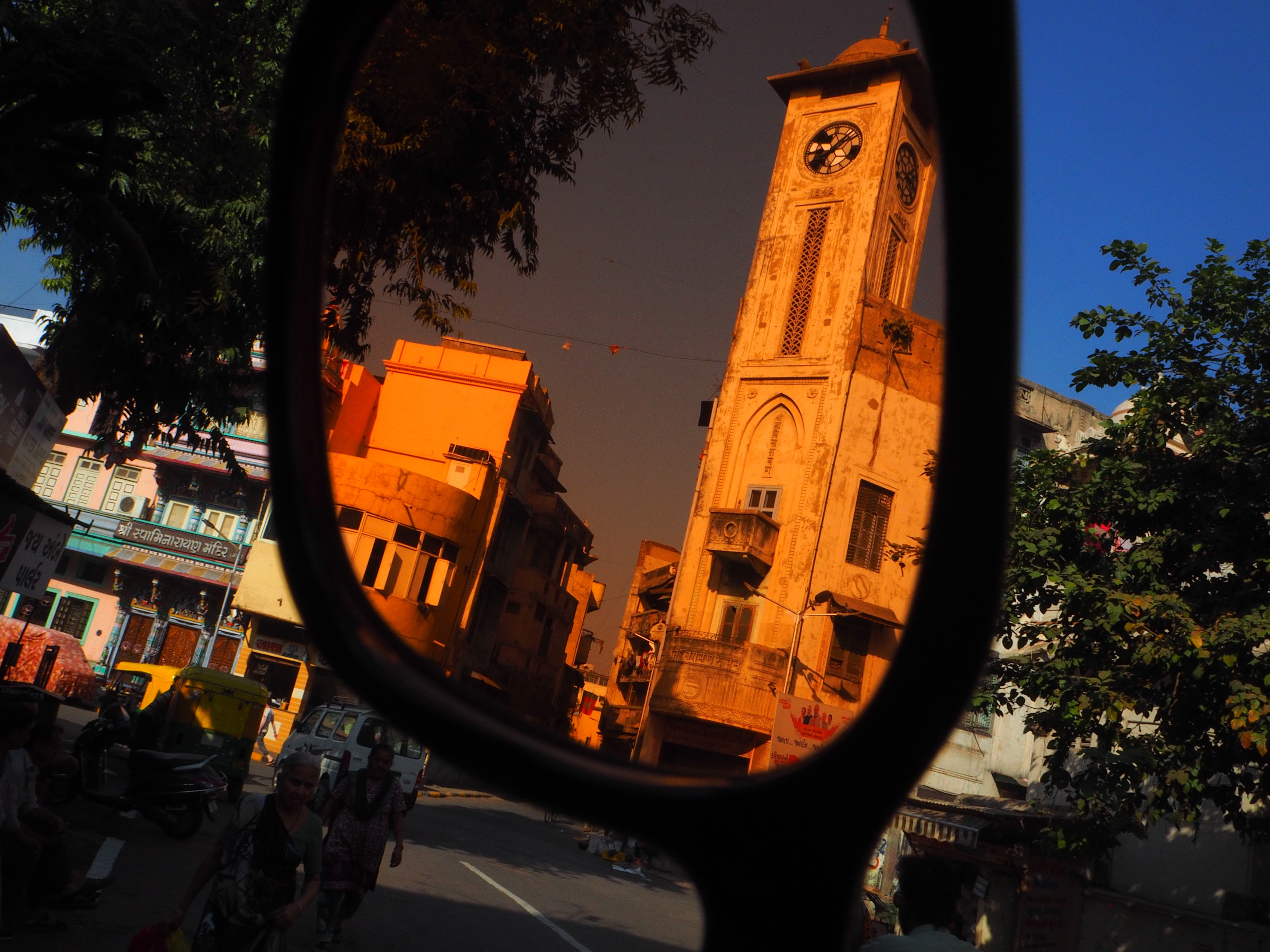
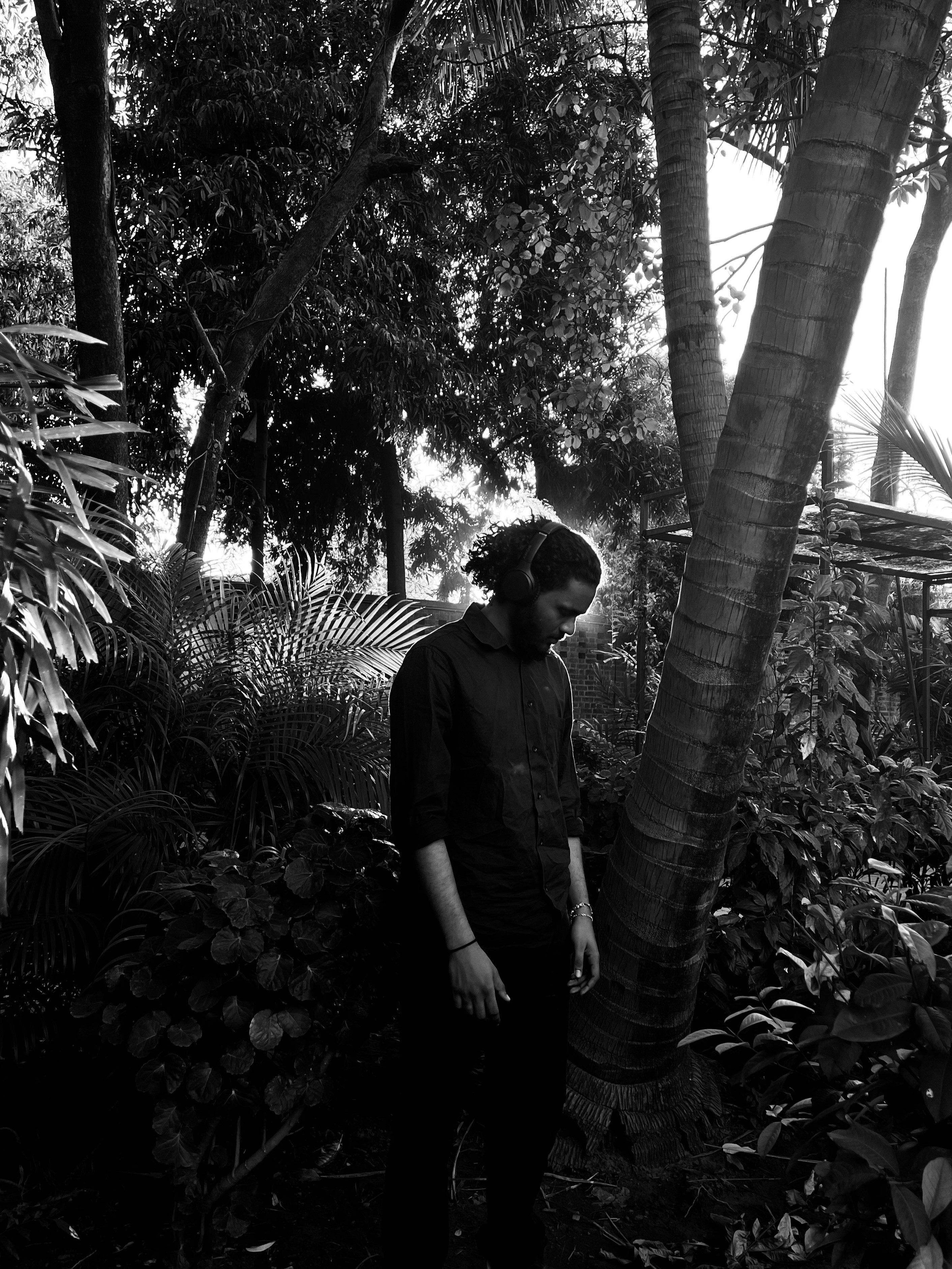
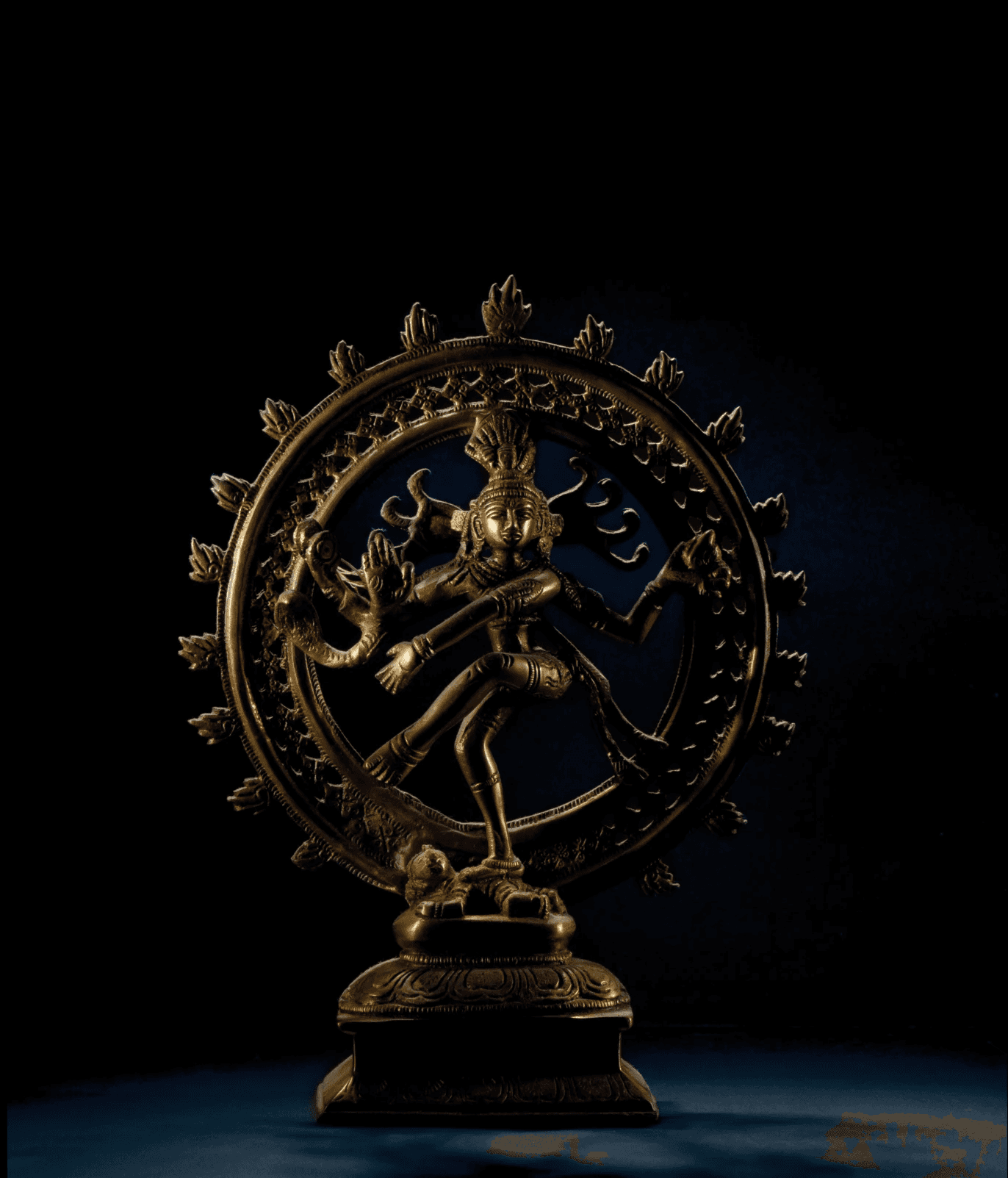
Photography Gallery


click and drag
Photography Gallery
click and drag
Photography Gallery
click and drag
FAQS
FAQS
FAQS
For Clear Collaboration
For Clear Collaboration
For Clear Collaboration
Real process. Honest ഉത്തരങ്ങൾ.
Because for me clarity makes better design.
Real process.
Honest ഉത്തരങ്ങൾ.
Because for me clarity makes better design.
Real process.
Honest ഉത്തരങ്ങൾ.
Because for me clarity makes better design.
1. What kind of projects do you usually take on?
I work across both digital and physical design — from UX, websites, and interactive prototypes to industrial products, form studies, and CMF exploration. Basically, anything that connects how things look, feel, and function in the real world.
1. What kind of projects do you usually take on?
I work across both digital and physical design — from UX, websites, and interactive prototypes to industrial products, form studies, and CMF exploration. Basically, anything that connects how things look, feel, and function in the real world.
1. What kind of projects do you usually take on?
I work across both digital and physical design — from UX, websites, and interactive prototypes to industrial products, form studies, and CMF exploration. Basically, anything that connects how things look, feel, and function in the real world.
2. How do I start a project with you?
Just send a short message through my contact form or email me what you’re planning. We can jump on a quick call through cal.com or simply continue over email — whatever’s easier for you. Once we connect and it feels like a good fit, we start shaping it from there. Simple.
2. How do I start a project with you?
Just send a short message through my contact form or email me what you’re planning. We can jump on a quick call through cal.com or simply continue over email — whatever’s easier for you. Once we connect and it feels like a good fit, we start shaping it from there. Simple.
2. How do I start a project with you?
Just send a short message through my contact form or email me what you’re planning. We can jump on a quick call through cal.com or simply continue over email — whatever’s easier for you. Once we connect and it feels like a good fit, we start shaping it from there. Simple.
3. Do you only work with brands or also individuals?
Both. I collaborate with startups, studios, and teams, but I also take on personal or concept-based projects if they’re interesting or experimental. If there’s an idea worth exploring — I’m in.
3. Do you only work with brands or also individuals?
Both. I collaborate with startups, studios, and teams, but I also take on personal or concept-based projects if they’re interesting or experimental. If there’s an idea worth exploring — I’m in.
3. Do you only work with brands or also individuals?
Both. I collaborate with startups, studios, and teams, but I also take on personal or concept-based projects if they’re interesting or experimental. If there’s an idea worth exploring — I’m in.
4. What’s your design process like?
It always starts with a question — why does this need to exist? Once that’s clear, I start shaping, sketching, and building prototypes until the idea starts feeling real. I follow a system I built called Aimfor, which keeps the process grounded — it’s about creating impact, measuring what matters, and staying flexible as ideas evolve. Think of it as design guided by curiosity, not routine.
4. What’s your design process like?
It always starts with a question — why does this need to exist? Once that’s clear, I start shaping, sketching, and building prototypes until the idea starts feeling real. I follow a system I built called Aimfor, which keeps the process grounded — it’s about creating impact, measuring what matters, and staying flexible as ideas evolve. Think of it as design guided by curiosity, not routine.
4. What’s your design process like?
It always starts with a question — why does this need to exist? Once that’s clear, I start shaping, sketching, and building prototypes until the idea starts feeling real. I follow a system I built called Aimfor, which keeps the process grounded — it’s about creating impact, measuring what matters, and staying flexible as ideas evolve. Think of it as design guided by curiosity, not routine.
5. How long do projects usually take?
Timelines vary depending on the scope. A focused UX or interface project usually takes 3–6 weeks, while larger industrial or systems projects can run 8–10 weeks. The goal is always to move fast without compromising depth or detail — enough time for ideas to breathe, but never drag.
5. How long do projects usually take?
Timelines vary depending on the scope. A focused UX or interface project usually takes 3–6 weeks, while larger industrial or systems projects can run 8–10 weeks. The goal is always to move fast without compromising depth or detail — enough time for ideas to breathe, but never drag.
5. How long do projects usually take?
Timelines vary depending on the scope. A focused UX or interface project usually takes 3–6 weeks, while larger industrial or systems projects can run 8–10 weeks. The goal is always to move fast without compromising depth or detail — enough time for ideas to breathe, but never drag.
6. How do you make sure your designs are sustainable or future-ready?
I look at every project as part of a larger system — material, digital, or behavioral. Designing sustainably means reducing friction, extending lifecycle, and allowing ideas to evolve instead of starting from scratch each time. The goal is to make things that stay relevant, not just current.
6. How do you make sure your designs are sustainable or future-ready?
I look at every project as part of a larger system — material, digital, or behavioral. Designing sustainably means reducing friction, extending lifecycle, and allowing ideas to evolve instead of starting from scratch each time. The goal is to make things that stay relevant, not just current.
6. How do you make sure your designs are sustainable or future-ready?
I look at every project as part of a larger system — material, digital, or behavioral. Designing sustainably means reducing friction, extending lifecycle, and allowing ideas to evolve instead of starting from scratch each time. The goal is to make things that stay relevant, not just current.
7. How do you handle feedback and revisions?
Feedback is a big part of how I work. I usually share visual boards or interactive prototypes so it’s easy to see what’s working and what’s not. I don’t get too attached — the best ideas come from back-and-forth collaboration, not one person’s vision.
7. How do you handle feedback and revisions?
Feedback is a big part of how I work. I usually share visual boards or interactive prototypes so it’s easy to see what’s working and what’s not. I don’t get too attached — the best ideas come from back-and-forth collaboration, not one person’s vision.
7. How do you handle feedback and revisions?
Feedback is a big part of how I work. I usually share visual boards or interactive prototypes so it’s easy to see what’s working and what’s not. I don’t get too attached — the best ideas come from back-and-forth collaboration, not one person’s vision.
8. What tools do you use?
For digital — mostly Figma, Framer, and motion tools. For physical — Rhino, KeyShot, and hands-on prototyping setups. Tools change; the thinking stays the same.
8. What tools do you use?
For digital — mostly Figma, Framer, and motion tools. For physical — Rhino, KeyShot, and hands-on prototyping setups. Tools change; the thinking stays the same.
8. What tools do you use?
For digital — mostly Figma, Framer, and motion tools. For physical — Rhino, KeyShot, and hands-on prototyping setups. Tools change; the thinking stays the same.
9. What does Aimfor mean to you?
It’s basically my design compass. Aimfor is something I built to keep myself grounded — it’s about creating impact, measuring what matters, staying flexible, and turning ideas into real results. It reminds me to design with purpose, not noise.
9. What does Aimfor mean to you?
It’s basically my design compass. Aimfor is something I built to keep myself grounded — it’s about creating impact, measuring what matters, staying flexible, and turning ideas into real results. It reminds me to design with purpose, not noise.
9. What does Aimfor mean to you?
It’s basically my design compass. Aimfor is something I built to keep myself grounded — it’s about creating impact, measuring what matters, staying flexible, and turning ideas into real results. It reminds me to design with purpose, not noise.